Risk vs Reward: Finding the Right Balance in Your Investment Portfolio
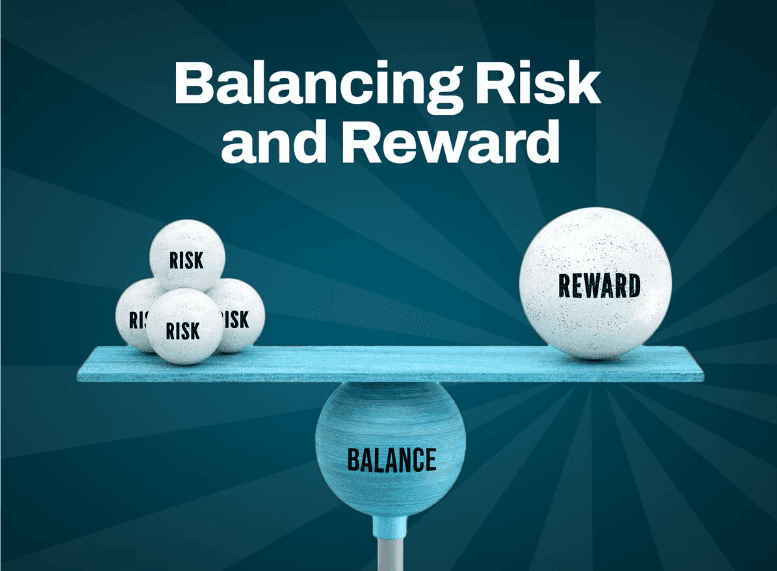
Every investment journey is a unique dance between risk and reward. On one side, there's the allure of higher returns, often accompanied by greater uncertainty. On the other, there's the comfort of safety, which typically comes with more modest gains. The key to a successful investment portfolio isn't to avoid risk entirely (that would mean missing out on growth), nor is it to recklessly chase the highest returns. Instead, it's about finding your personal equilibrium – the sweet spot where your risk tolerance aligns with your financial aspirations.
Let's demystify these two concepts. Risk, in investing, refers to the possibility that your investment's actual return will differ from your expected return, potentially leading to a loss. It’s the inherent uncertainty. Reward, naturally, is the potential profit or gain you stand to make from an investment. Generally, the higher the potential reward, the higher the risk you'll need to undertake. Think of it like climbing a mountain: the higher you aim, the more challenging and potentially perilous the climb, but the more breathtaking the view from the summit.
So, how do you figure out your personal balance? It starts with honest self-assessment. Ask yourself:
- What are my financial goals? Am I saving for a house in 5 years, or retirement in 30? Shorter time horizons often call for less risk.
- What is my time horizon? Longer investment periods allow you to ride out market fluctuations and recover from potential dips, making higher risk more palatable.
- How much am I comfortable losing? This isn't about expecting to lose money, but acknowledging that market downturns happen. Could a 10% or 20% drop in your portfolio keep you up at night, or would you view it as a temporary blip?
- What is my investment knowledge? Understanding the investments you're making can help you feel more comfortable with their inherent risks.
Once you have a clearer picture of your risk tolerance, you can begin to construct a portfolio that reflects it. If you're a young investor with decades until retirement and a high tolerance for fluctuations, you might lean more heavily towards equities (stocks) for their higher growth potential. These come with more volatility, but over the long term, they historically outperform other asset classes.
Conversely, if you're nearing retirement or are naturally more risk-averse, you might opt for a more conservative approach. This could mean a higher allocation to fixed-income investments like bonds, which offer stability and regular income, albeit with lower growth potential.
It’s important to remember that your risk tolerance isn't static. Life events, economic conditions, and even your personal experiences can shift it. Regularly reviewing and, if necessary, rebalancing your portfolio to ensure it still aligns with your comfort level and goals is crucial. Don’t just set it and forget it.
Ultimately, finding the right balance between risk and reward isn't about perfect mathematical formulas. It's about understanding yourself, your goals, and the inherent nature of investing. It’s about making informed choices that allow you to sleep soundly at night while still pushing towards a brighter financial future.